


Fellows Directory
The FutureHouse Fellowship program supports early career scientists who are ready to chart their own paths at the intersection of AI and science.
The Scientists
Meet the Current Fellows
2026 Cohort
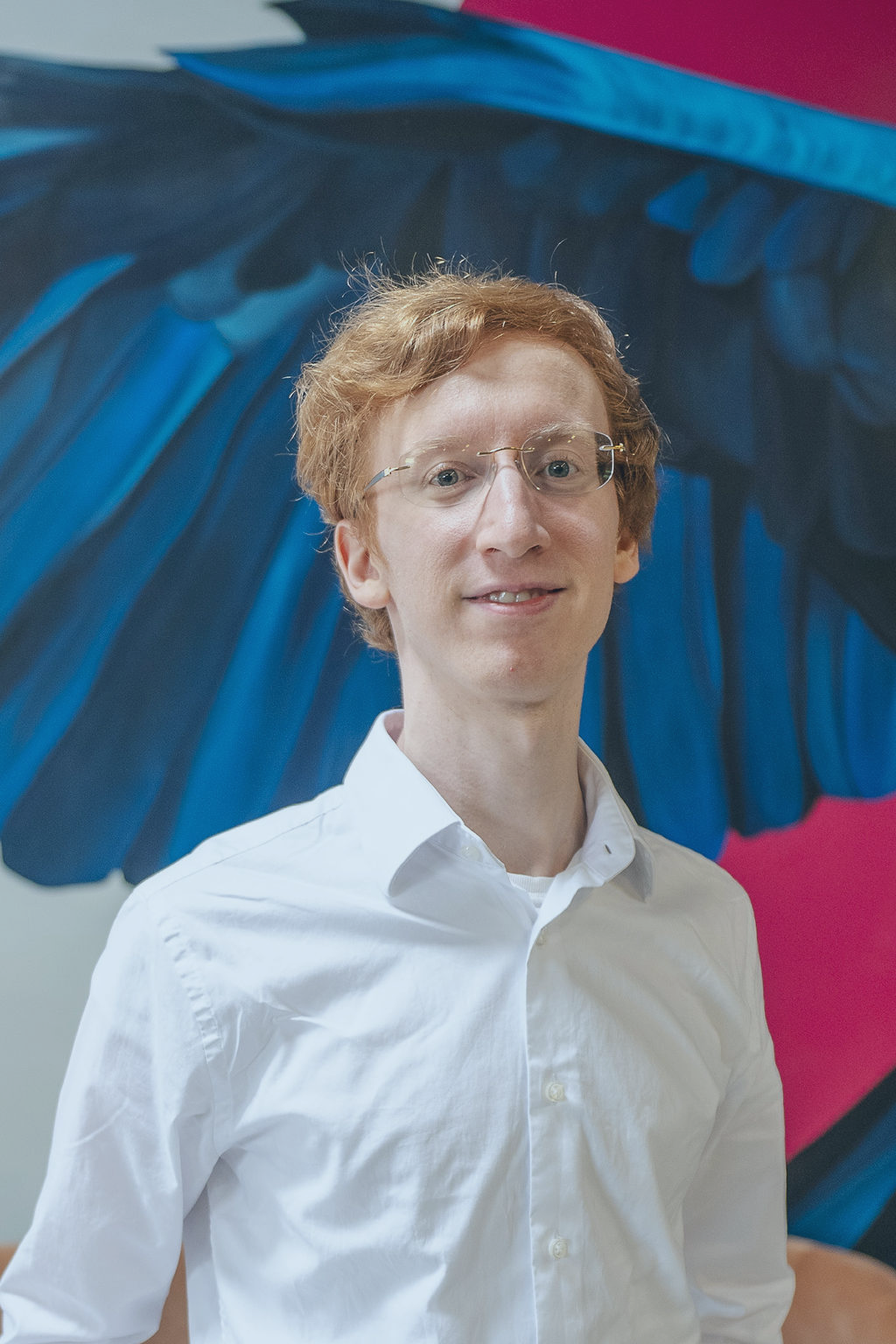
Jeremy Koob
Jeremy will develop and integrate AI agents into protein design workflows to accelerate the discovery of biocatalysts for sustainable chemistry.

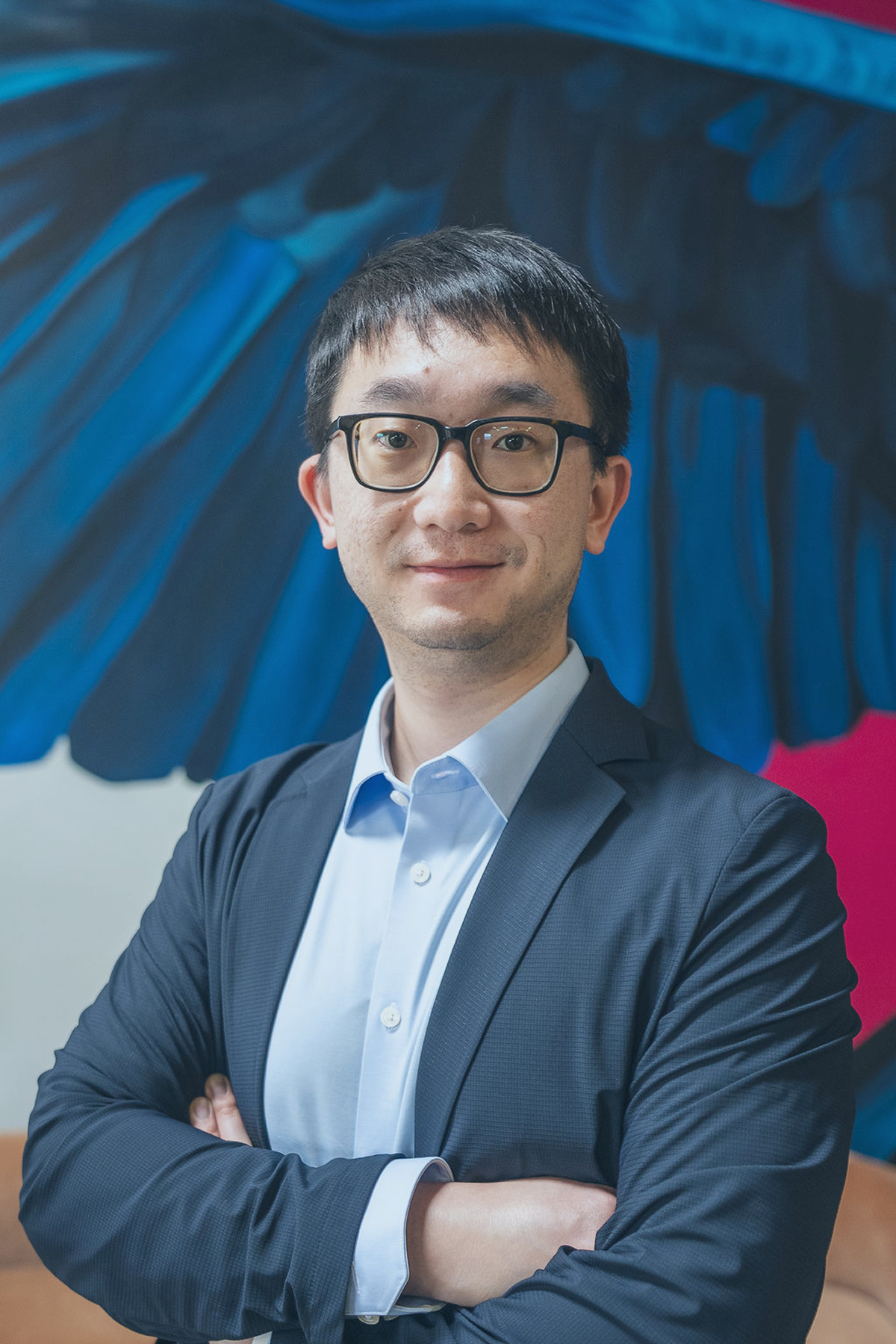
Hanqing Liu
Hanqing will build AI-driven frameworks that integrate large-scale single-cell and functional genomics datasets to reconstruct the regulatory architecture of psychiatric disorders and generate mechanistic hypotheses at scale.
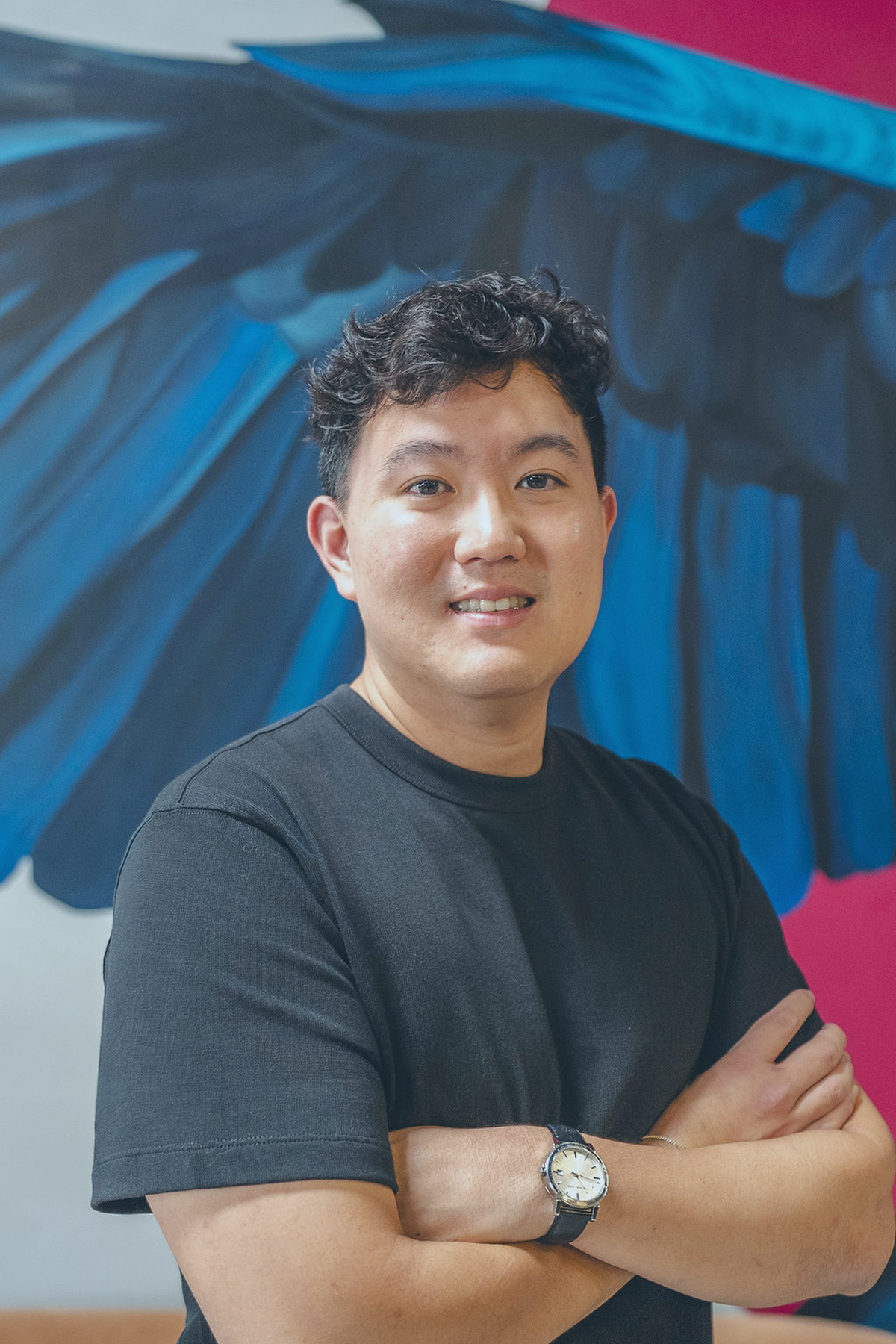
Andrew Lu
Andrew is closing the loop between AI-driven design and experimental validation to accelerate the discovery of programmable therapeutics. These therapies will expand how cells sense, compute, and act inside the human body.
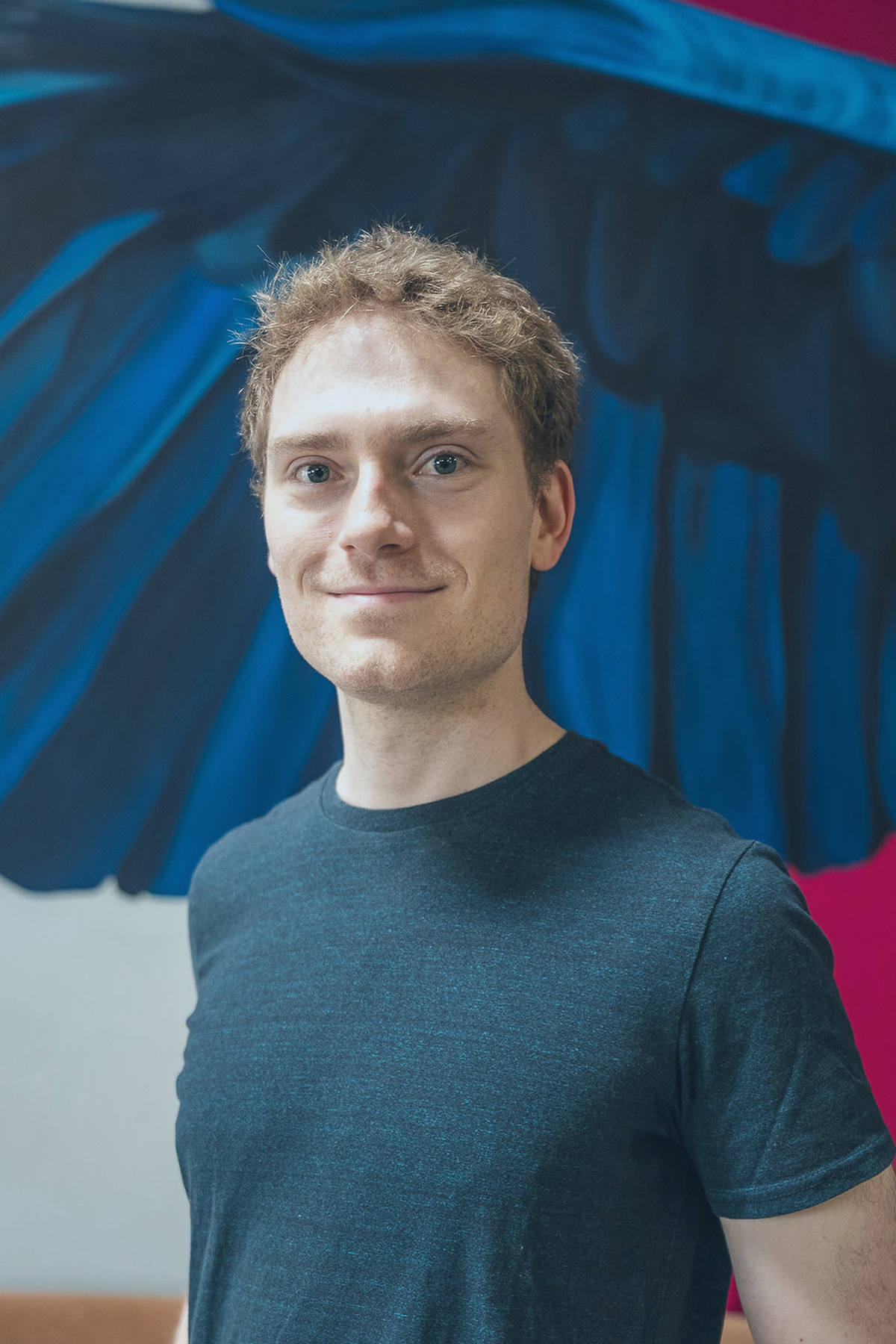
Alexander Starr
Alex will use AI scientists to massively expand the scope and scale of these evolutionary genomics analyses, with the goal of uncovering the genetic basis of behavioral adaptations and neurological disease across the mammalian tree of life.
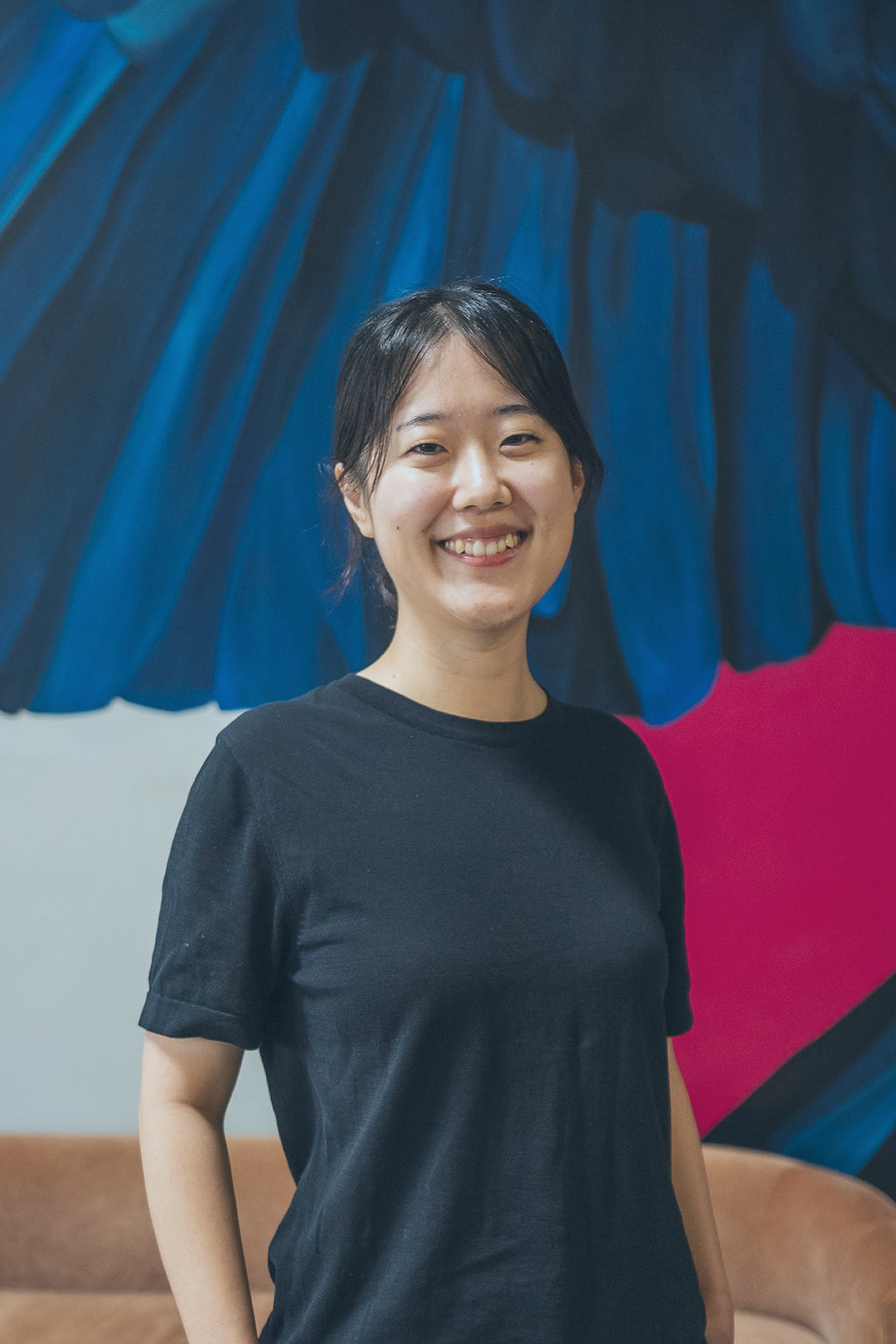
Soojung Yang
Soojung will build machine learning models that unify protein structure, thermodynamics, and kinetics, and deploy agentic AI to search variant space and enable biochemistry-informed protein optimization.
2025 Cohort
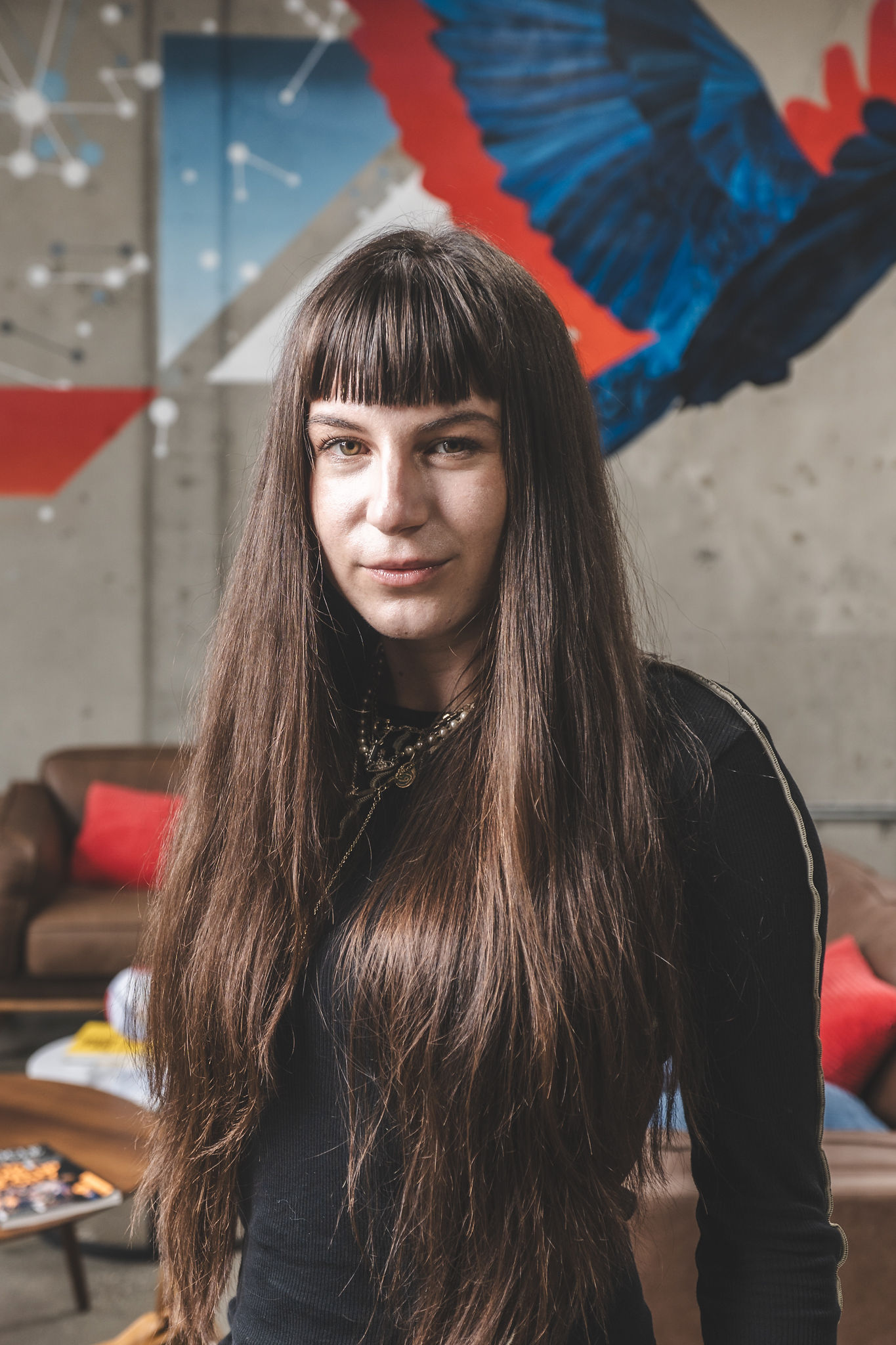
Philine Guckelberger
Philine is a molecular biologist fascinated by 3D genome architecture and epigenomic regulation.
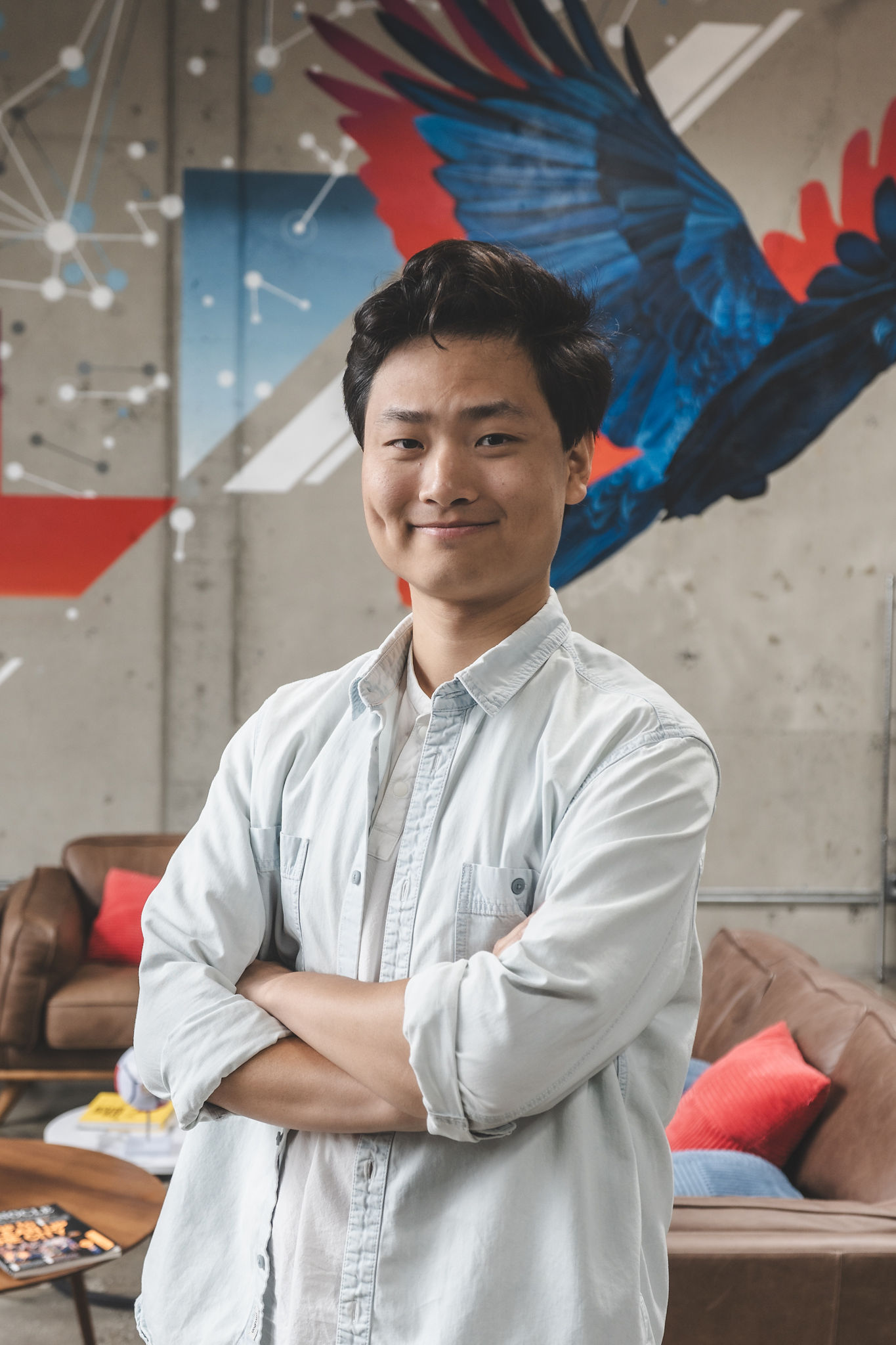
Chenghao Liu
Chenghao is a chemist and machine-learning scientist working at the interface of molecular design and emergent physical properties.
The Alumni Fellows
2025 Cohort
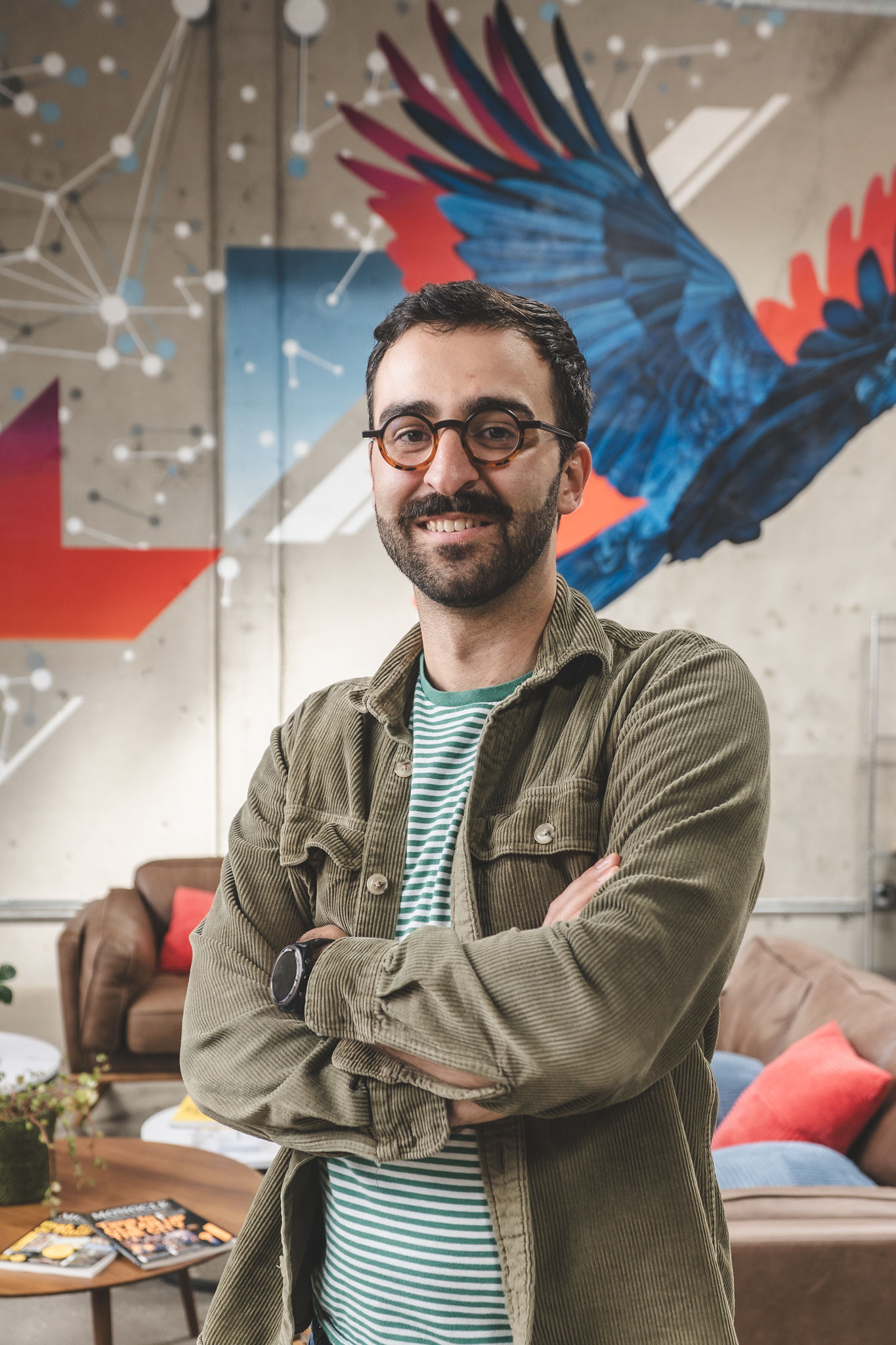
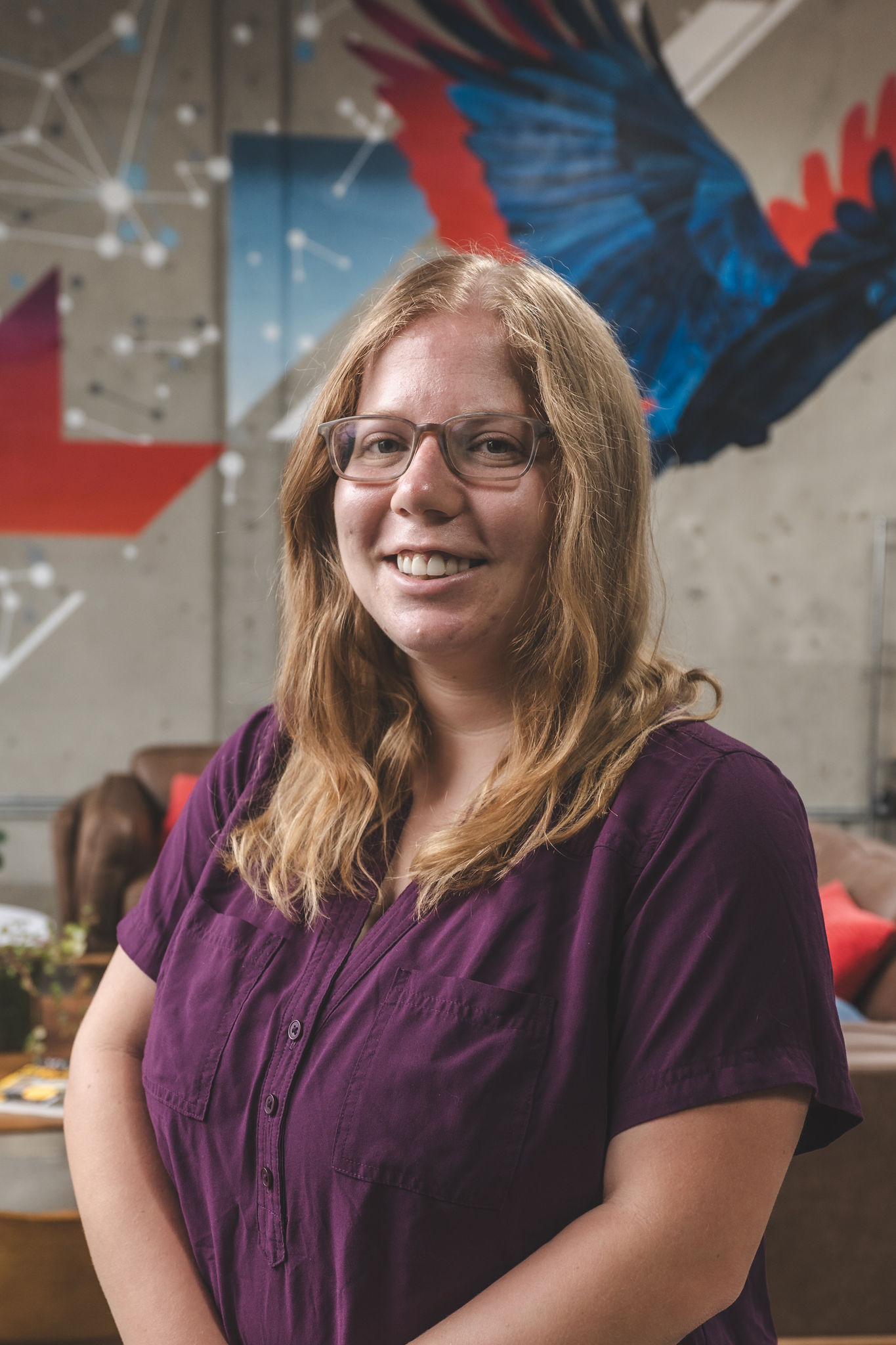
Sarah Gurev
Sarah is a machine learning researcher specializing in protein design and virology.
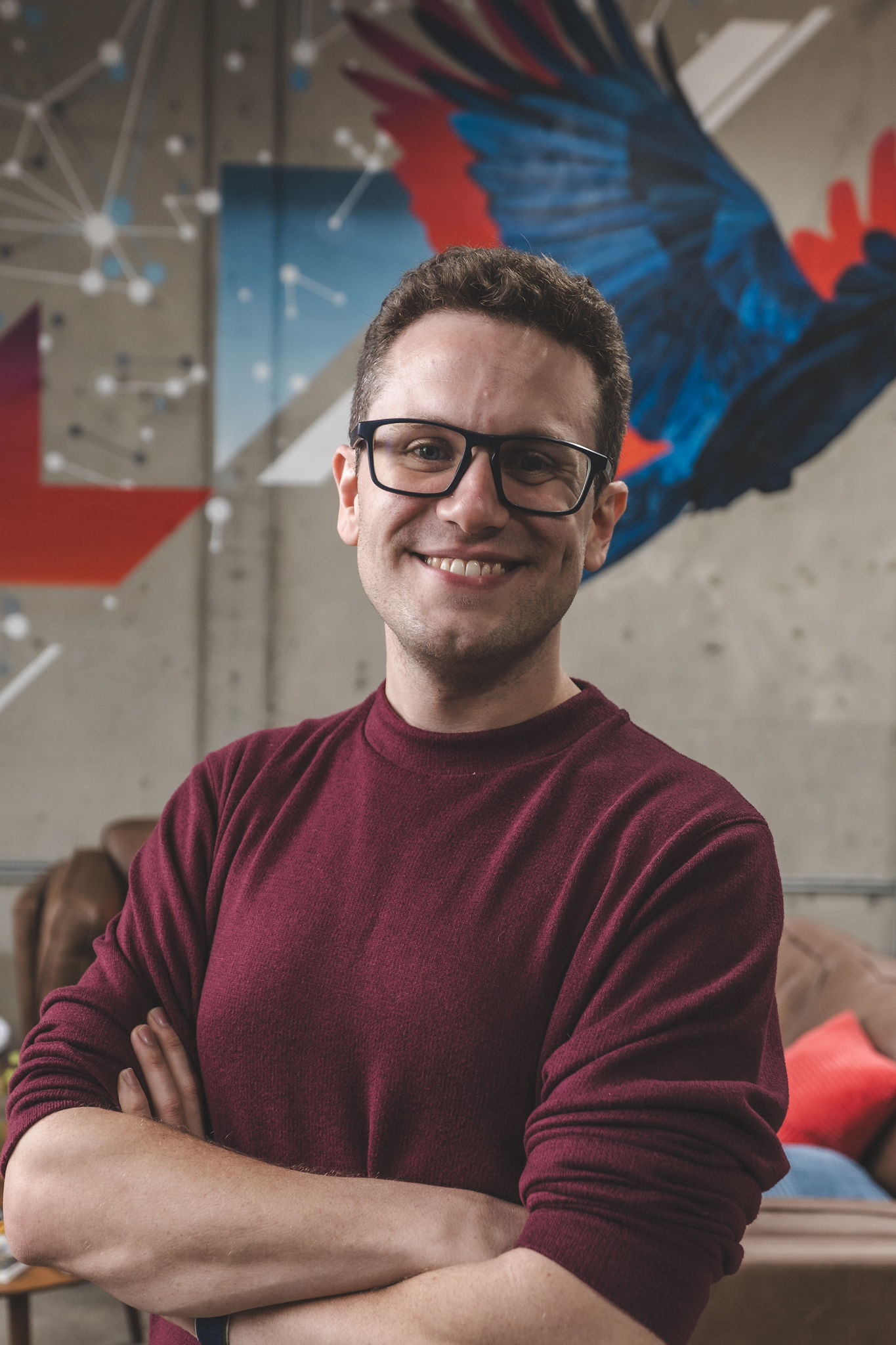
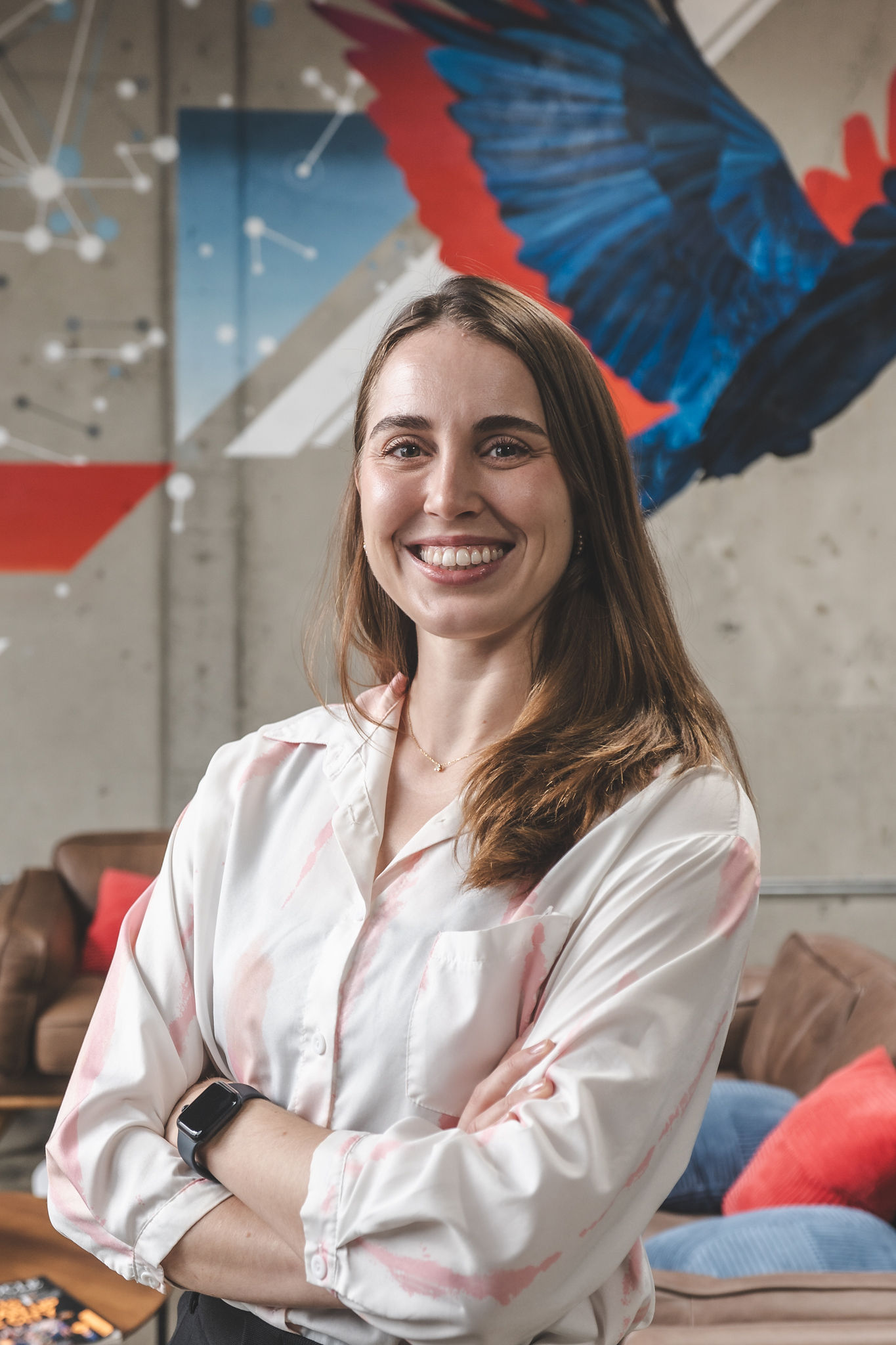
Laura Luebbert
Laura is a computational biologist specializing in machine learning methods for infectious disease discovery and triage.
Engage with us
Apply to be a FutureHouse Postdoctoral Fellow
We are looking for independent thinkers with a clear scientific vision and the ability to lead an AI-accelerated research agenda.
Biology's biggest problems aren't limited by funding or ambition. They're limited by the number of trained minds that can read the literature, form hypotheses, design experiments, and interpret the results. AI changes that equation.

